
 Product photo
Marketplace listingInspection display
NYC HPD Inspection Frame for 6 x 9 Yellow Inspector Card
Displaying an official inspection card when the building is required to maintain one in a visible protected frame.

A practical catalog of products, tools, and resources for landlords and property managers who take compliance, safety, and operations seriously.
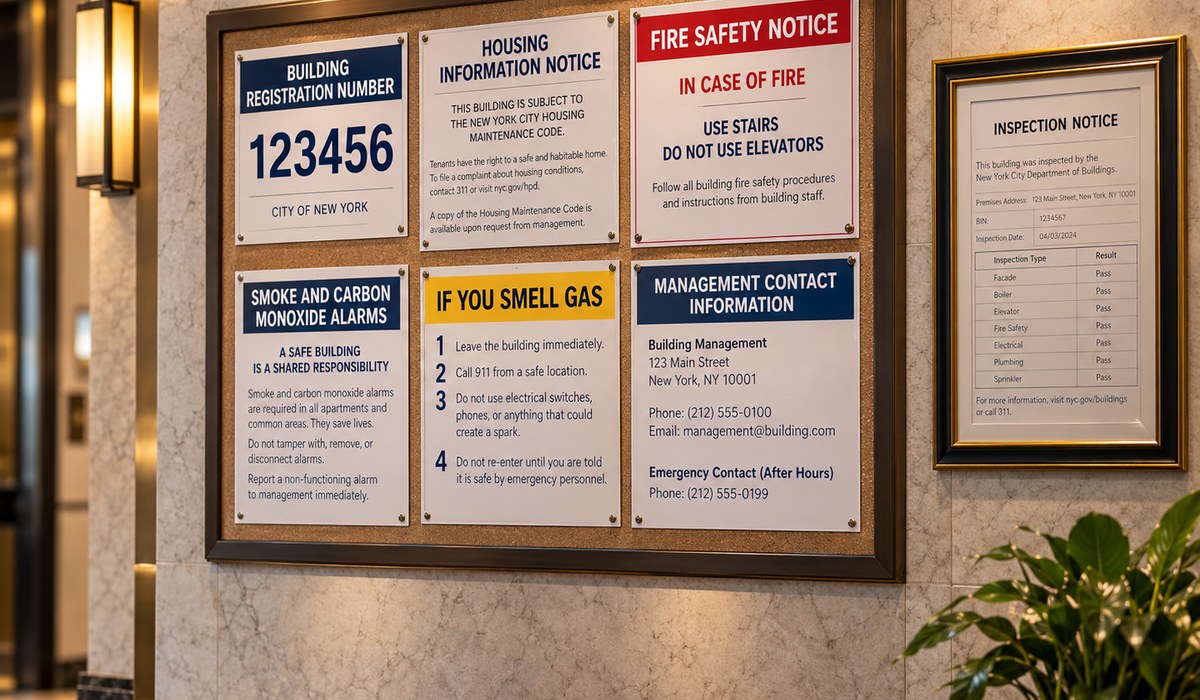
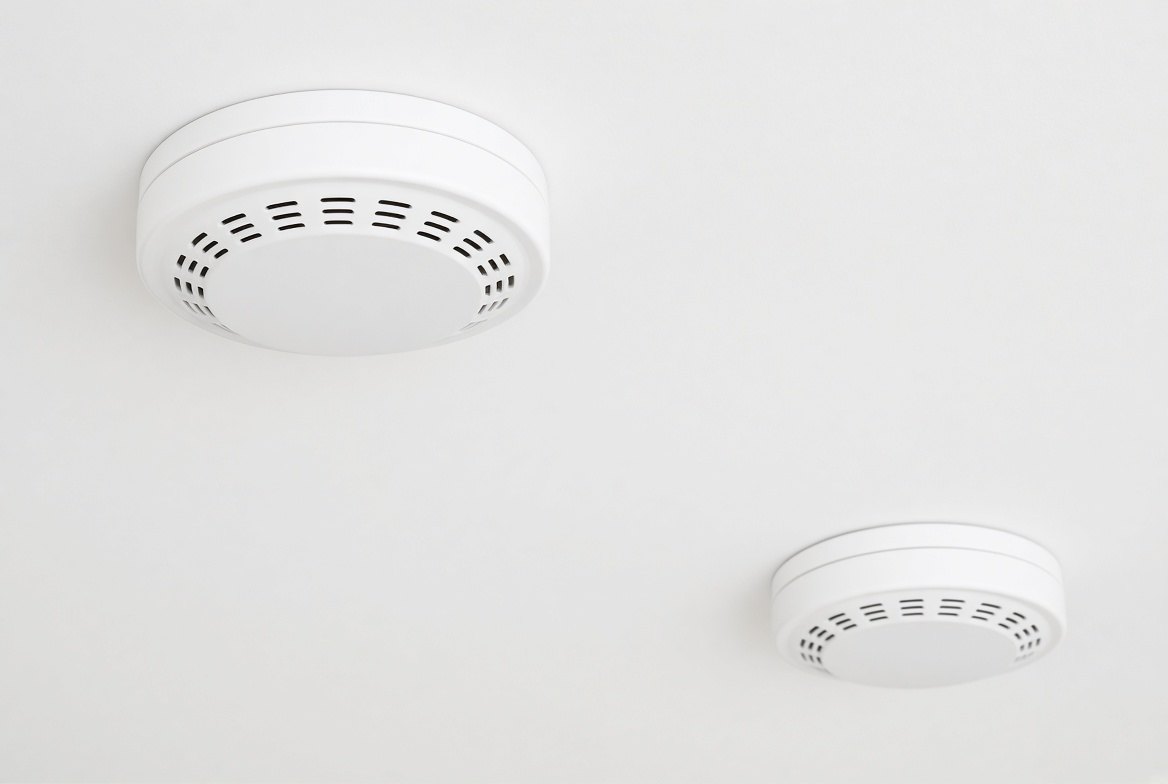
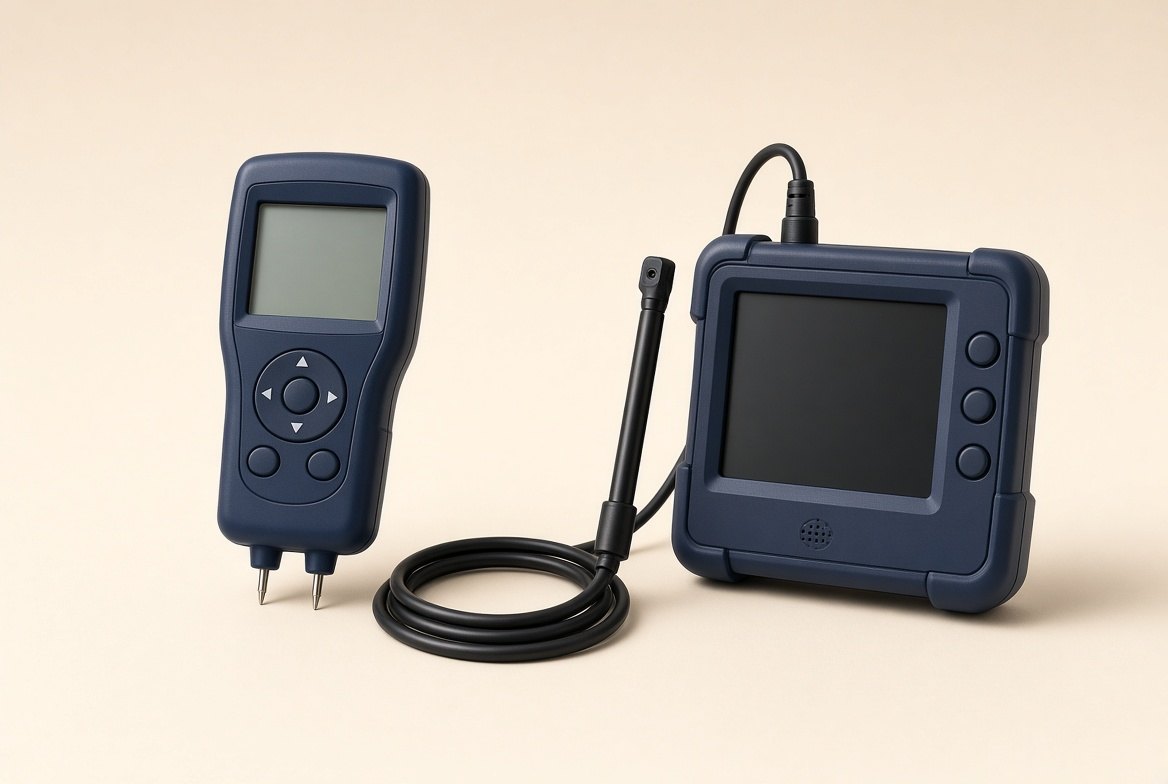

A missing notice, inspection frame, detector or room sign may cost very little, but owners often discover the need only when somebody is already waiting for it. Building Owner Tools organizes the recurring items that property owners, managers and supers repeatedly need — then separates universal building essentials from location-specific compliance requirements.
Many cities and states require owners to post, provide or maintain specific notices, identification, life-safety devices and tenant information. New York City has an especially detailed HPD/FDNY framework, so it remains a major market here — but the catalog is built for owners everywhere. Use our location guides to separate universal building essentials from jurisdiction-specific requirements.
Product photoDisplaying an official inspection card when the building is required to maintain one in a visible protected frame.
 Product photo
Owners replacing a serial-number posting when this size and layout match the applicable building requirement.
 Product photo
Posting a smoke-detector notice when that notice is applicable to the building and the product text matches the current requirement.
 Product photo
Buildings that need a gas-leak notice and where the bilingual text matches the current required notice.
 Product photo
Buildings where the specific fireproof-building notice applies and a durable common-area or door sign is needed.
 Product photo
Identifying floors in stairs, corridors or other locations where tactile floor-number signage is appropriate.
 Product photo
A heating-system information posting when the property is subject to that requirement and the sign matches the current format.
 Product photo
Keeping building notices organized and protected in a common-area posting location.
Use the violation description, inspection report or agency requirement to identify exactly what must be posted, installed or replaced. Match the wording, dimensions, language and location before purchasing. Buying the item is one step in correction; installation, documentation and any required certification or filing still have to be completed correctly.
Common building-safety and monitoring items for life safety, water damage and property oversight.
 Product photo
A plug-in carbon monoxide alarm format with battery backup for continued local alarming during a power outage.
 Product photo
A commonly available rechargeable extinguisher format suited to many ordinary fire-protection applications.
 Product photo
A simple smart-sensor approach for catching water where nobody may be present to notice it immediately.
 Product photo
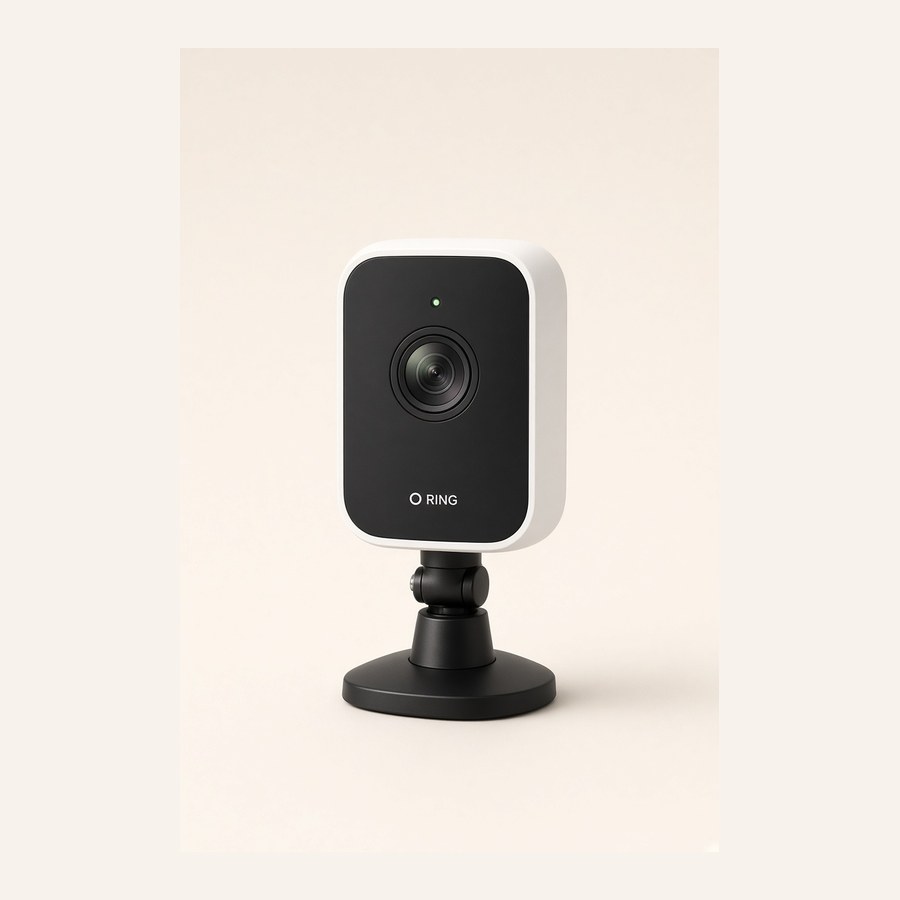
A battery-powered camera format that can be positioned without running new power wiring.
These tools help owners and building staff screen moisture, inspect concealed spaces, document dimensions and identify conditions before deciding what professional help or repair is needed.
 Product photo
A practical first-line moisture screening tool for landlords, supers and property managers checking larger finished surfaces.
 Product photo
A pocket-size thermal imager that can help locate temperature anomalies associated with leaks, insulation gaps and electrical issues.
 Product photo
A self-contained inspection camera that can be useful for quick visual checks before opening finishes or disassembling equipment.
 Product photo
A compact laser distance meter for documenting existing conditions, estimating materials and verifying dimensions.
Not every item is legally required in every jurisdiction, but every well-run property benefits from an organized baseline. Keep compliance materials current, replace expired or damaged safety equipment, and store diagnostic tools where staff can find them quickly.
Registration information, inspection displays, emergency notices, fire-safety information and management contacts where applicable.
Smoke and carbon-monoxide alarms, floor identification, extinguishers and other required or recommended life-safety items.
Room identification, shutoff information, keys, labels and access-control signs that help staff and responders find critical equipment.
Tools that help screen moisture, inspect concealed areas, record dimensions and document conditions before repair or professional escalation.
Posting, disclosure and detector requirements vary. Our growing location directory currently includes detailed official-source guidance for New York, Florida, Pennsylvania, Illinois, Massachusetts and California, with major-city examples from NYC, Miami-Dade, Philadelphia, Chicago, Boston and Los Angeles.
When model choice matters, our guides explain the practical differences, limitations and building-use cases.
Pin vs. pinless, where each works, and what the reading can — and cannot — prove.
InspectionProbe diameter, cable style, screen type and the limitations that matter on site.
MaintenanceA useful baseline for recurring building work without filling a closet with gadgets.